Start with the diagnosis, not the operation name
Many patients search for a laparoscopic surgeon after an ultrasound, CT scan, blood test or repeated abdominal pain episode. The first consultation should confirm what problem is actually present before discussing surgery.
Gallbladder stones, appendix infection, hernia swelling, piles, fissure, fistula and bariatric surgery questions all need different evaluation. Laparoscopy may be suitable for many patients, but it is not automatically the right choice for every diagnosis.
Dr. Rajesh Kanungo reviews symptoms, examination findings, reports, age, diabetes, BP, heart history, previous surgery and anesthesia risk before advising observation, medicines, open surgery or laparoscopic surgery.
What experience matters for laparoscopic surgery
Patients should ask whether the surgeon regularly handles the specific condition they have, not only whether the surgeon performs laparoscopy in general.
For example, laparoscopic gallbladder surgery, laparoscopic hernia repair, appendix surgery and bariatric procedures have different planning, risks and recovery instructions.
Dr. Rajesh Kanungo is a senior general and laparoscopic surgeon in Bhopal with 34+ years of surgical experience, training in minimal access surgery, DLS at IRCAD Strasbourg, and advanced laparoscopy and bariatric surgery training in Belgium.
Reports to carry for a useful consultation
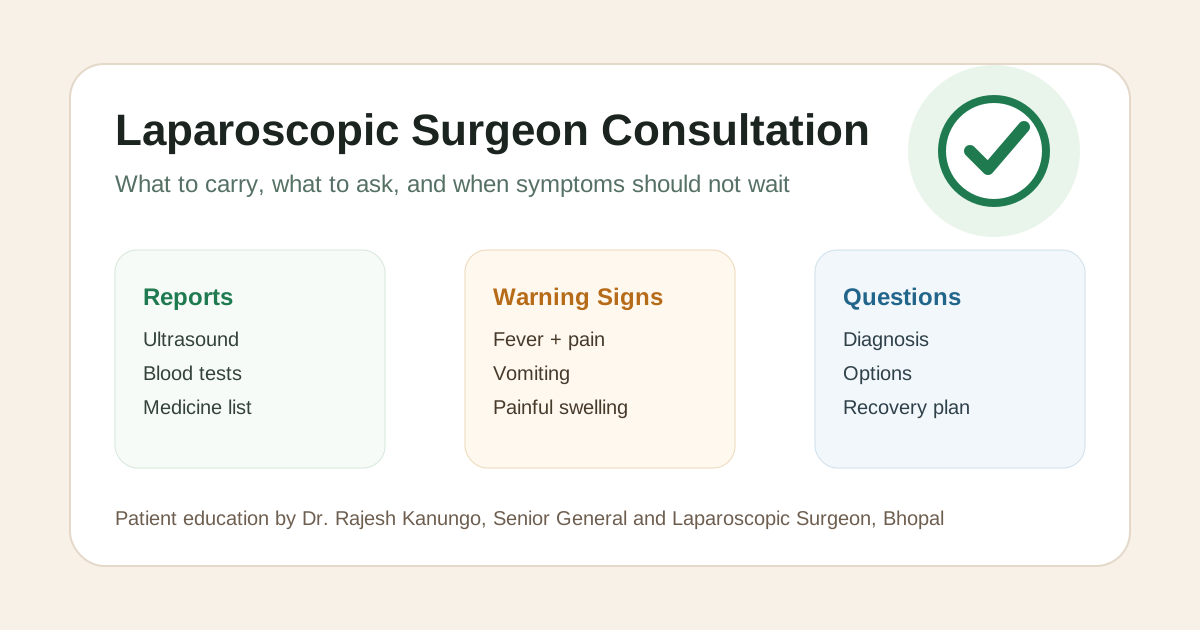
Carry ultrasound films or reports, CT or MRI reports if available, blood tests, discharge summaries, old prescriptions and a list of medicines, especially blood thinners, diabetes medicines, BP medicines and heart medicines.
If the problem is pain, note where it starts, where it spreads, what triggers it, whether fever or vomiting occurs, and whether painkillers are being repeated.
If the problem is swelling, note whether it increases on coughing or standing, whether it reduces while lying down, and whether there has been redness, vomiting or a stuck painful bulge.
Warning signs that should not wait for routine OPD
Severe abdominal pain with fever, repeated vomiting, jaundice, black stool, heavy bleeding, a painful stuck hernia swelling, or worsening right lower abdominal pain should be treated as urgent.
Do not keep masking these symptoms with painkillers at home. Emergency evaluation is safer because some surgical conditions can worsen quickly.
Patient education sources such as MedlinePlus, Mayo Clinic and the UK NHS also advise prompt medical review for severe abdominal pain, obstructed hernia symptoms, jaundice or suspected appendicitis warning signs.
Questions to ask before surgery
Ask what diagnosis is being treated, whether laparoscopic surgery is suitable, what alternatives exist, what anesthesia is planned, how many days of hospital stay may be needed, and what warning symptoms should trigger a call after discharge.
Also ask about recovery: walking, bathing, diet, driving, office work, lifting weight, travel, follow-up visits and when to restart regular medicines.
A good consultation should leave the patient with a clear next step, not just a procedure name.
Related care options
More patient guides
Types of Abdominal Hernias: A Location Guide for Bhopal Patients
Abdominal hernias are named mainly by where tissue pushes through a weak area: the groin, upper thigh, navel, upper midline, abdominal wall or an old surgical scar. Location is a useful clue, but examination—not a photo or symptom list—is what separates a hernia from other lumps and guides safe treatment.
Can You Live Without a Gallbladder? What Changes After Surgery
Yes. Most people can live a normal life without a gallbladder because the liver keeps making bile. After removal, bile flows directly into the small intestine instead of being stored. Some people notice temporary digestive changes, but persistent or severe symptoms deserve medical review.
Nail Polish Before Surgery: What Should Patients Remove?
Many hospitals ask patients to remove nail polish, gel or false nails before surgery because staff may need access to a natural nail for monitoring and assessment. The safest shortcut is simple: ask the hospital in advance, follow its written instruction, and tell the team if a product or item cannot be removed safely.
Common questions
No. Laparoscopic surgery is useful for many selected conditions, but infection, previous surgery, anatomy, emergency status and patient fitness can change the safest approach.
Bring ultrasound, CT or MRI reports if available, blood tests, discharge summaries, old prescriptions and a medicine list, especially diabetes, BP, heart and blood-thinning medicines.
Severe or worsening pain with fever, vomiting, jaundice, abdominal swelling, faintness, or right lower abdominal tenderness should be evaluated promptly.