
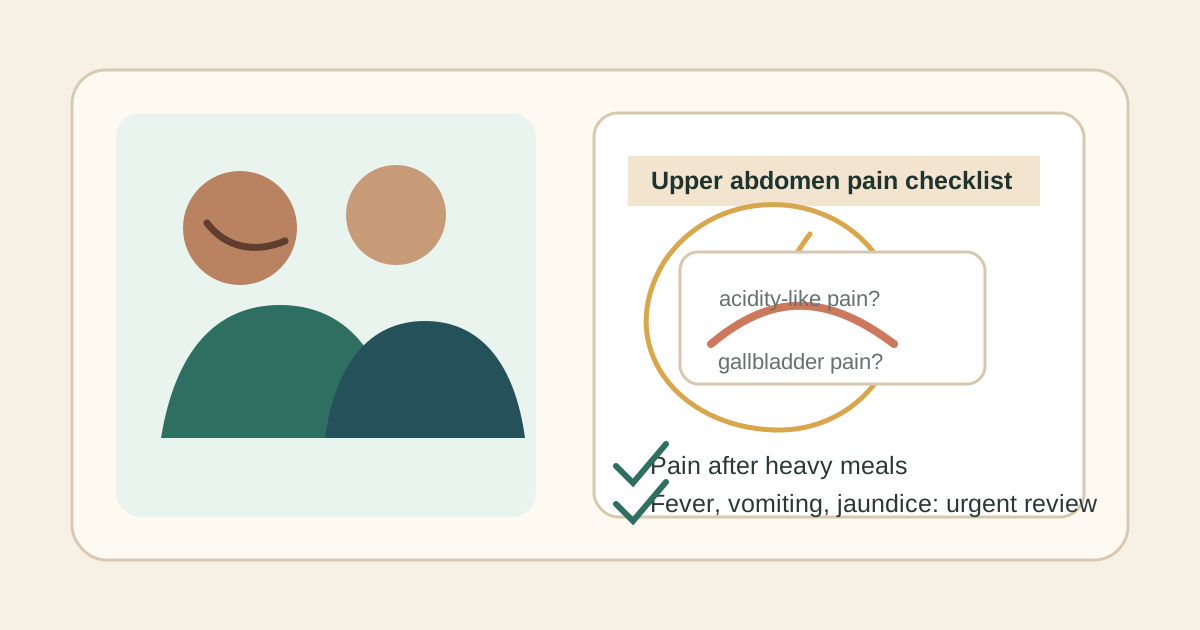
How can gallbladder pain feel different from acidity?
Gallbladder pain often appears as right upper abdominal or upper middle abdominal pain, commonly after a heavy or fatty meal, and may move toward the back or right shoulder. Acidity-like discomfort is often burning, sour, central chest or upper stomach discomfort, but symptoms can overlap.
Gallbladder pain is pain caused when the gallbladder or bile ducts are irritated or blocked, commonly by gallstones. It is not diagnosed by pain description alone; the surgeon usually connects symptoms with examination, ultrasound and blood tests when needed.
Fast decision rule: do not keep treating repeated upper right abdominal pain as acidity if it follows oily meals, lasts more than a short episode, comes with vomiting, fever, yellow eyes, dark urine, severe weakness or an ultrasound report showing stones.
Why does pain after food raise a gallbladder question?
Pain after food raises a gallbladder question because the gallbladder contracts to release bile for digestion, especially after fatty meals. If stones block bile flow, the patient may feel sudden upper abdominal pain, nausea, vomiting or pain spreading toward the back.
MedlinePlus explains that gallstone attacks usually happen after eating and may cause nausea, vomiting, or pain in the abdomen, back, or under the right arm: https://medlineplus.gov/gallstones.html. NIDDK also says gallstones can block bile ducts and cause sudden upper right abdominal pain: https://www.niddk.nih.gov/health-information/digestive-diseases/gallstones/definition-facts.
This does not mean every post-meal pain is gallstones. Gastritis, reflux, ulcers, liver problems, pancreas issues, heart problems and other abdominal conditions can also cause upper abdominal discomfort. The practical next step is proper review, not guessing from one symptom.
Which symptoms should not be managed like simple acidity?
Do not manage symptoms like simple acidity when pain is severe, persistent, worsening, repeatedly returns after meals, or comes with fever, chills, repeated vomiting, jaundice, dark urine, pale stools, fainting, confusion, chest pain, breathing difficulty or a very unwell patient.
NHS guidance notes that gallstone complications can include gallbladder inflammation, pancreatitis and jaundice with darker urine or paler stool: https://www.nhs.uk/conditions/gallstones/. Mayo Clinic lists severe upper right or center abdominal pain, pain spreading to the shoulder or back, nausea, vomiting and fever as cholecystitis symptoms: https://www.mayoclinic.org/diseases-conditions/cholecystitis/symptoms-causes/syc-20364867.
Emergency rule: severe or worsening abdominal pain, fever with pain, yellow eyes, repeated vomiting, chest pain, breathing difficulty, fainting, confusion or dehydration signs should go to urgent medical care first. This article is patient education, not diagnosis or emergency triage.
What should you check before deciding it is gas or acidity?
Before deciding the pain is gas or acidity, check the pattern: exact pain site, timing after meals, whether oily food triggers it, whether pain moves to the back or right shoulder, vomiting or fever history, yellow eyes, dark urine, previous ultrasound findings and medicine response.
Simple comparison table: burning chest or sour belching may point toward reflux; right upper abdominal pain after oily food may raise a gallbladder question; fever with upper abdominal pain needs prompt review; jaundice or dark urine with pain should not wait for routine OPD.
Write this down before the consultation: when the pain starts, how long it lasts, what you ate, whether antacids helped, whether vomiting happened, whether the abdomen is tender, and whether a similar episode has happened before. For a time-based red-flag checklist, read /articles/gallbladder-attack-duration-emergency-bhopal.
Which reports help a surgeon separate gallbladder pain from acidity?
Helpful reports may include ultrasound abdomen, liver function tests, CBC, bilirubin, amylase or lipase if pancreatitis was suspected, diabetes and BP records, ECG if chest discomfort is part of the story, previous prescriptions and any emergency discharge papers.
NIDDK says doctors use medical history, physical exam and tests to diagnose gallstones, and treatment depends on whether gallstones cause symptoms or complications: https://www.niddk.nih.gov/health-information/digestive-diseases/gallstones. Mayo Clinic notes that gallstone evaluation may include ultrasound and blood tests for infection, jaundice, pancreatitis or other complications: https://www.mayoclinic.org/diseases-conditions/gallstones/diagnosis-treatment/drc-20354220.
For Bhopal patients, Dr. Rajesh Kanungo can review ultrasound, symptoms and examination findings at R.K. Hospital, Indrapuri. Bring reports instead of only saying "acidity," because the same word can hide very different problems.
When is gallbladder surgery discussed after acidity-like pain?
Gallbladder surgery is usually discussed when symptoms and reports suggest gallstones are causing repeated pain, gallbladder inflammation, bile duct blockage, jaundice, pancreatitis concern or other complications. Silent stones found by chance may need a different discussion.
NIDDK states that the usual treatment for gallstones is surgery to remove the gallbladder, while nonsurgical options are sometimes used for selected cholesterol stones: https://www.niddk.nih.gov/health-information/digestive-diseases/gallstones/treatment. Mayo Clinic says cholecystectomy may be recommended because gallstones frequently recur: https://www.mayoclinic.org/diseases-conditions/gallstones/diagnosis-treatment/drc-20354220.
The safer consultation question is not "Is this acidity or stones?" It is: do my symptoms, ultrasound and blood tests match gallbladder disease strongly enough that observation, planned laparoscopic surgery, open surgery, additional tests or urgent admission should be considered?
What questions should you ask during a Bhopal consultation?
Ask whether the pain pattern matches gallbladder disease, whether acidity or another condition still needs evaluation, whether the ultrasound finding explains the symptoms, which blood tests are needed, and what signs mean emergency care before the next appointment.
Decision checklist: pain after oily food; right upper abdomen or upper middle abdomen; pain spreading to back or shoulder; fever or vomiting; jaundice or dark urine; known gallstones; diabetes, heart or BP history; blood thinners; previous abdominal surgery; and how quickly symptoms are worsening.
Also ask about the next practical step: medicine observation, diet caution while awaiting review, repeat tests, planned laparoscopic gallbladder surgery discussion, anesthesia fitness, hospital stay, recovery expectations and who to call if pain returns at night.
Which medical sources support this guide?
This article is patient education, not diagnosis, prescription, self-treatment advice or a replacement for examination. It was cross-checked against MedlinePlus gallstones guidance at https://medlineplus.gov/gallstones.html, NIDDK gallstones definition and facts at https://www.niddk.nih.gov/health-information/digestive-diseases/gallstones/definition-facts, NIDDK gallstones overview at https://www.niddk.nih.gov/health-information/digestive-diseases/gallstones, NIDDK treatment guidance at https://www.niddk.nih.gov/health-information/digestive-diseases/gallstones/treatment, NHS gallstones guidance at https://www.nhs.uk/conditions/gallstones/, Mayo Clinic gallstone treatment guidance at https://www.mayoclinic.org/diseases-conditions/gallstones/diagnosis-treatment/drc-20354220, and Mayo Clinic cholecystitis symptoms guidance at https://www.mayoclinic.org/diseases-conditions/cholecystitis/symptoms-causes/syc-20364867.
These sources support the same cautious message: gallstone symptoms can mimic common indigestion, symptomatic or complicated gallstones need medical review, and severe pain, fever, jaundice, repeated vomiting or a very unwell patient should not wait.
Related care options
More patient guides
Types of Abdominal Hernias: A Location Guide for Bhopal Patients
Abdominal hernias are named mainly by where tissue pushes through a weak area: the groin, upper thigh, navel, upper midline, abdominal wall or an old surgical scar. Location is a useful clue, but examination—not a photo or symptom list—is what separates a hernia from other lumps and guides safe treatment.
Can You Live Without a Gallbladder? What Changes After Surgery
Yes. Most people can live a normal life without a gallbladder because the liver keeps making bile. After removal, bile flows directly into the small intestine instead of being stored. Some people notice temporary digestive changes, but persistent or severe symptoms deserve medical review.
Nail Polish Before Surgery: What Should Patients Remove?
Many hospitals ask patients to remove nail polish, gel or false nails before surgery because staff may need access to a natural nail for monitoring and assessment. The safest shortcut is simple: ask the hospital in advance, follow its written instruction, and tell the team if a product or item cannot be removed safely.
Common questions
Yes. Gallbladder pain can feel like acidity or indigestion, especially when it appears after meals. Repeated right upper abdominal pain, pain after fatty food, vomiting, fever or jaundice needs medical review.
Gallbladder pain is often felt in the upper right abdomen or upper middle abdomen and may spread to the back or right shoulder. Location alone cannot confirm the diagnosis.
Seek urgent care for severe or worsening pain, fever, repeated vomiting, yellow eyes, dark urine, chest pain, breathing difficulty, fainting, confusion, dehydration signs or a very unwell patient.
A general and laparoscopic surgeon can review the pain pattern, ultrasound, blood tests and examination findings, then advise whether observation, further tests, planned surgery or urgent care is appropriate.